Neck pain is one of the most common complaints in modern life — and one of the conditions Traditional Chinese Medicine treats most effectively.
How TCM Understands Neck Pain
In TCM, the neck and shoulders are traversed by several important meridians — energy pathways that carry Qi (vital energy) and Blood through the body. When Qi and Blood flow freely, the tissues are nourished and pain-free. When that flow is disrupted, stiffness, aching and restricted movement follow.
There are four main patterns a TCM practitioner looks for:
Wind-Cold invasion. This is the classic stiff neck that comes on after sitting in a draught, travelling in an air-conditioned car, or sleeping with a window open. The pain is typically sudden, sharp and worse in cold weather. The body's exterior has been invaded by pathogenic Cold, which contracts the muscles and obstructs the flow of Qi.
Qi and Blood stagnation. Prolonged sitting, poor posture and — increasingly — hours spent looking at screens create a pattern of stagnation in the cervical region. The pain tends to be dull and persistent, worsening with inactivity and easing slightly with gentle movement. This is perhaps the most common pattern seen in clinic today.
Liver Qi stagnation. Stress and emotional tension cause the Liver to lose its smooth, free-flowing function. The Liver meridian connects to the neck and shoulders, and when Liver Qi stagnates, that tension manifests physically — often as tightness across the top of the shoulders and the base of the skull. If you notice your neck and shoulders tightening whenever you are under pressure, this pattern may be at the root of it.
Kidney deficiency. The Kidneys in TCM govern the bones and the deepest structures of the body. In older patients, or those who are chronically fatigued, a depletion of Kidney essence can lead to a chronic, deep aching in the neck and spine that is slow to respond to purely local treatment.

What Treatment Looks Like
Once the pattern is identified, treatment is tailored accordingly.
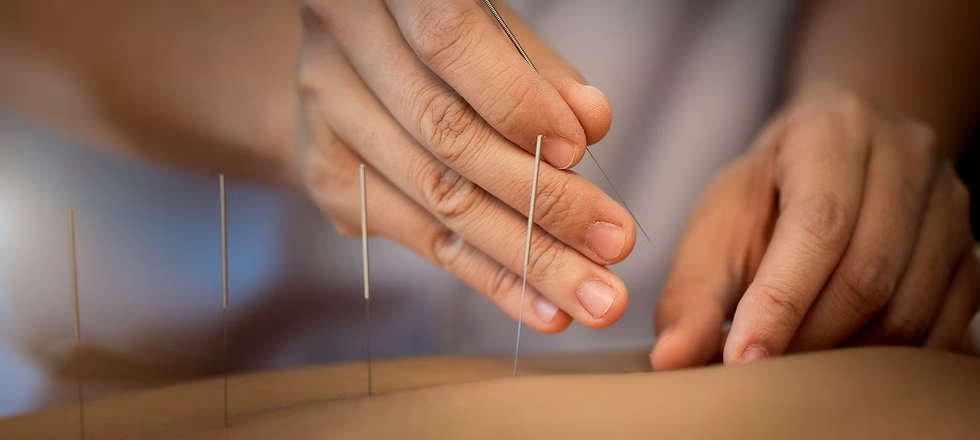
Acupuncture is the primary tool: fine needles placed at specific points along the affected meridians release muscular tension, restore the circulation of Qi and Blood, and prompt the body's own pain-relieving response. Many patients notice an immediate softening of the muscles during the session itself.
Tuina — Chinese therapeutic massage — is often combined with acupuncture. Targeted manual techniques along the neck, upper back and shoulder girdle help to break up localised stagnation and restore movement to joints that have become restricted over time.
Alongside in-clinic treatment, small lifestyle adjustments make a significant difference. Keeping the neck warm (especially in cold or windy weather), adjusting screen height so your gaze is level rather than downward, taking short movement breaks every 45 minutes, and simple neck-rotation exercises in the morning can all support the work done in the treatment room.
A Condition That Responds Well to TCM
Neck pain is one of the areas where TCM consistently produces strong results, particularly when the pain is recurrent or has not responded fully to conventional approaches. Rather than masking the discomfort, the aim is to resolve the underlying pattern — so that the pain becomes less frequent, less intense, and eventually stops being part of daily life.
If neck pain is something you live with, it is worth finding out whether TCM can offer a more lasting solution.